The 2026 FIFA World Cup kicks off across the United States, Mexico, and Canada. And your cable subscription probably costs more than your groceries.
Millions of fans will search for free World Cup streams this summer. A huge chunk of them will land on sites that install malware faster than a VAR review.
A smarter path to watching the World Cup 2026 for free exists. It runs through public broadcasters, official apps, and a few decisions about what “free” really costs you.
This guide is for the fan outside Western Europe who keeps clicking on geo-blocked links and questionable pop-up streams.
Where Free World Cup 2026 Streams Come From
Public Broadcasters That Air Matches at Zero Cost
The biggest secret in football broadcasting is hiding in plain sight: national public broadcasters in several European countries air World Cup matches for free on their websites.
These are taxpayer-funded networks with zero subscription fees for domestic viewers.
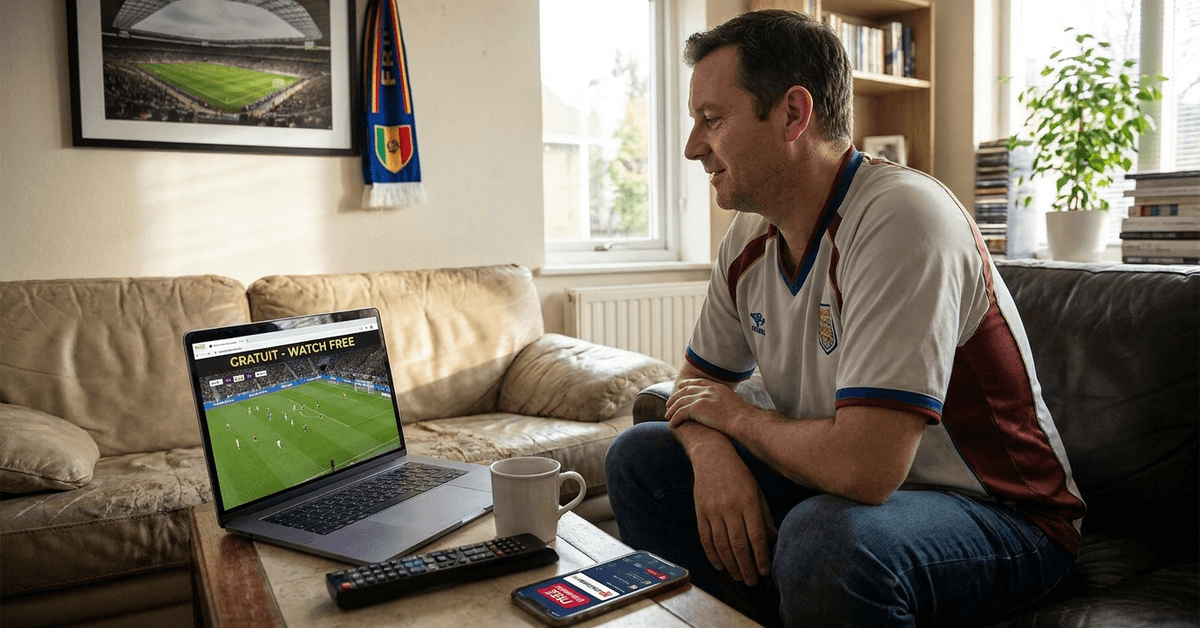
Germany’s ARD and ZDF split coverage between them, offering HD quality streams with German commentary through their media libraries.
France’s TF1 has broadcast high-profile matches at no cost for decades, requiring only a free account on their online player.
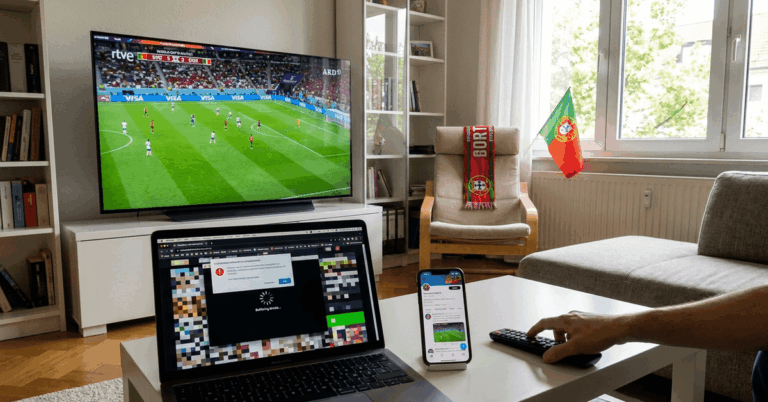
Portugal’s RTP covers international fixtures live and adds studio analysis afterward. Spain’s RTVE picks up selected group and knockout stage matches for audiences within Spain.
The catch? Almost all of these are geo-locked to their home country. A viewer sitting in Manila, Nairobi, or São Paulo will hit a region error within seconds.
That single detail changes everything about how useful these “free” streams are for a global audience.
The Geo-Blocking Problem Nobody Solves Well
Every article about free World Cup streaming lists European broadcasters like a shopping catalog. Few of them mention that regional licensing agreements make those streams invisible to anyone outside the broadcast territory.
I think the standard advice to “check your local broadcaster” is lazy when applied to the 2026 World Cup, because FIFA distributes rights to over 200 territories, and the free-to-air availability varies wildly between a country like Germany (full free coverage) and a country like the Philippines (where rights holders often sit behind paywalls).
The difference between a German fan and a Filipino fan watching the same match for free is not effort or knowledge. It is geography and broadcast contracts. And that gap deserves more attention than a one-line disclaimer.
| Country | Broadcaster | Cost | Language | Geo-Locked? |
|---|---|---|---|---|
| Germany | ARD / ZDF | Free | German | Yes |
| France | TF1 | Free (account needed) | French | Yes |
| Portugal | RTP | Free | Portuguese | Yes |
| Spain | RTVE | Free (selected matches) | Spanish | Yes |
The takeaway: if you live inside one of these countries, free World Cup coverage is strong, but outside those borders, these options disappear.
Devices and Apps That Make Free Streaming Work
Smartphones and Tablets for On-the-Go Matches
The broadcaster apps from ARD, ZDF, TF1, and RTP all run on iOS and Android. Streams load without extra software.
But data usage on mobile networks can burn through a plan fast during a 90-minute match, so connecting to Wi-Fi before kickoff saves money and buffering headaches.
Smart TVs and Screen Casting
Smart TVs from Samsung, LG, and others often have native apps for the bigger European broadcasters.
If your TV does not carry the specific app, casting from a phone or tablet through Chromecast or an HDMI cable works. Quality might dip compared to a native app, but the tradeoff between a 55-inch screen and a 6-inch phone screen usually wins.
Desktop Browsers Still Have an Edge
Chrome and Firefox both handle broadcaster streams reliably.
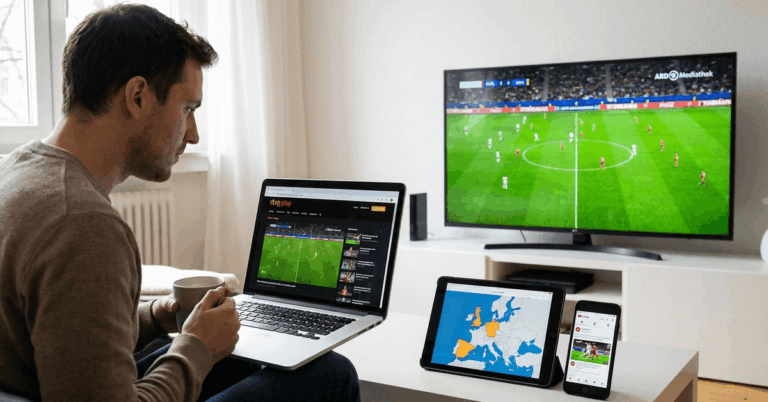
The real advantage of a desktop setup is running multiple tabs: one for the match, one for live stats on FIFA.com, and one for commentary in a second language. That kind of multitasking does not work as smoothly on a phone.
Safe Streaming Practices That Save You Headaches
Why Unofficial Streams Cost More Than Money
Unofficial World Cup streams attract clicks because they promise something for nothing.
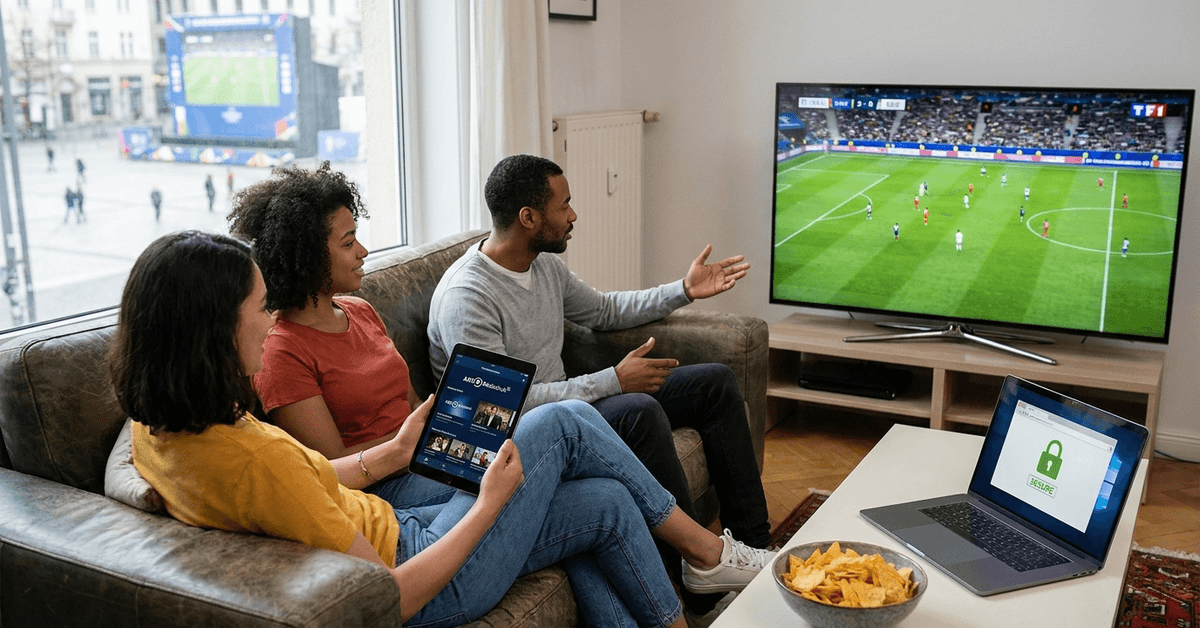
The tradeoff is real, though: malware, aggressive pop-ups, and data tracking are standard on these sites. A single misclick can install browser extensions that monitor everything you do online for months afterward.
Google’s Safe Browsing program flags these sites regularly. Anyone running a blog or website that links to unofficial streams risks losing their AdSense account, too.
The financial and security costs of “free” pirated streams add up faster than a monthly subscription.
A Practical Security Checklist
A few steps reduce risk when streaming matches online:
- Stick to HTTPS connections only. If the URL starts with “http” without the “s,” close the tab immediately.
- Keep your browser and operating system updated. Security patches close the exact vulnerabilities that streaming malware exploits.
- Use an ad blocker on desktop browsers. This blocks the pop-up chains that unofficial sites rely on to deliver payloads.
- Download official broadcaster apps from the App Store or Google Play only. Sideloaded APKs from random sites are a common malware vector.
My Contrarian Take on VPNs and Free Streams
The standard recommendation across every streaming guide: use a VPN to access free European broadcasters from anywhere in the world.
I disagree with that advice for the 2026 World Cup specifically, because FIFA’s official YouTube channel and partner platforms have been uploading full match highlights and extended recaps within hours of the final whistle in recent tournaments.
Chasing a live stream through a VPN connection that might buffer, disconnect, or get detected by the broadcaster’s geo-blocking system creates more frustration than it solves.
Watching highlights two hours after the match gives you every goal, every red card, and every penalty shootout without the stress of maintaining a VPN connection at 3 AM in your time zone.
The 2026 tournament spans three countries across multiple time zones. For fans in Asia, Africa, and South America, many matches will kick off at brutal hours. A highlight package watched at breakfast might be the better product for your sanity and your sleep schedule.
Public Viewing: The Free Option That Gets Overlooked
Fan Zones and Giant Screens
Cities around the world organize public viewing events during World Cup season. Giant screens in parks, plazas, and pop-up fan zones give thousands of people access to live matches at zero cost. The atmosphere at these events often beats watching alone on a laptop.
The limitation is obvious: not every city runs these events, and crowds at peak matches can be overwhelming.
But for the group stage and early knockout rounds, public viewings offer something that no streaming app can replicate. That energy is the reason people love football.
On-Demand Highlights and Replays as a Real Strategy
Treating highlights as a backup plan misses the point. For many fans, highlights are the main product. A 10-minute recap delivers the full story of a match without the 70 minutes of midfield passing that pad out a live broadcast.
FIFA’s platforms, official broadcaster archives, and sports channels consistently provide these recaps.
The quality and speed of official highlights have improved so much that watching them first and then going back to replay a full match only when it was a classic is a better use of time than sitting through every group-stage draw.
Questions People Ask About Watching World Cup 2026 for Free
Q: Can I watch every World Cup 2026 match for free? That depends entirely on where you live. Countries like Germany offer full free-to-air coverage through ARD and ZDF, while other regions may only get selected matches or require a paid subscription through the local rights holder.
Q: Are free World Cup streams on random websites safe? Rarely. Unofficial streams carry serious risks including malware, phishing attempts, and aggressive ad scripts. Sticking to official broadcaster apps and websites removes those dangers.
Q: Do VPNs work to unblock free European streams during the World Cup? They can, but broadcasters have gotten much better at detecting and blocking VPN traffic. Connection drops during a penalty shootout are common. Highlights on FIFA’s YouTube channel might be a less stressful alternative.
Q: What is the best device for streaming free World Cup matches? A desktop browser gives the best stability and lets you run stats alongside the match. Smart TVs offer the biggest screen. Phones work on the go but drain data fast without Wi-Fi.
Q: Are public viewing events free during the World Cup? The large majority of fan zones and public screenings are free to attend or charge a small fee for food and drinks. Check local city event calendars closer to the tournament for confirmed locations.
Conclusion
Free World Cup 2026 streaming comes down to geography, timing, and patience. Official broadcasters and FIFA’s own platforms cover more ground than most fans realize.
Chasing illegal streams trades short-term convenience for long-term security problems. The smartest fans in 2026 will watch better content, on safer platforms, at hours that fit their lives.